



Aaron Raath Joins Coatings Talk Livestream:
How Pipeline Coatings and Cathodic Protection Work Together: Why the Coatings-to-CP Handoff Matters
Part 2 of 2
The short answer: On most pipeline projects, the coating goes on early and cathodic protection (CP) is installed near the end. The handoff between those two stages is where problems often go unnoticed: coating defects that never got repaired, construction materials left on the pipe, and CP designs based on assumptions instead of actual site conditions. A planned handoff, with shared design decisions, documented coating QA/QC, an inspection before backfill and a commissioning baseline, gives the pipeline the best chance of reaching its full design life.
In Part 1, we explained how coatings and CP depend on each other. In this post, we look at where that partnership most often breaks down on real projects. Like Part 1, it draws on the Coatings Talk live stream “Protective Coatings and Cathodic Protection: A Critical Partnership”, where host Jim Kunkle and Cathtect CEO Aaron Raath discussed the topic
Watch the full conversation: youtube.com/live/w1mrr7daPaw

Aaron Raath
CEO of Cathtect USA
Where the Handoff Happens
Pipeline coatings are applied early in a project. The pipe is typically coated in the shop, and field joints, fittings and repairs are coated on site during construction.
CP usually comes in at the end. Anodes, test stations and reference electrodes go into the trench, and the system is energized and commissioned after most other work is done. CP is rarely on a project’s critical path, so it often gets squeezed into the end of the schedule.
In between, the coatings team has moved on and the CP team is just arriving. It’s like a relay where the baton gets handed off with no overlap, and that gap is where problems slip through.
What Gets Lost in the Gap
- Design assumptions. When the CP system is designed separately from the coating, it’s often based on a single, generic assumption about coating quality. If the pipeline runs through an AC power corridor, near a DC transit line, or has a lower-performing coating than expected, those “cookie-cutter” assumptions are exposed quickly, and the CP system is under strain from day one.
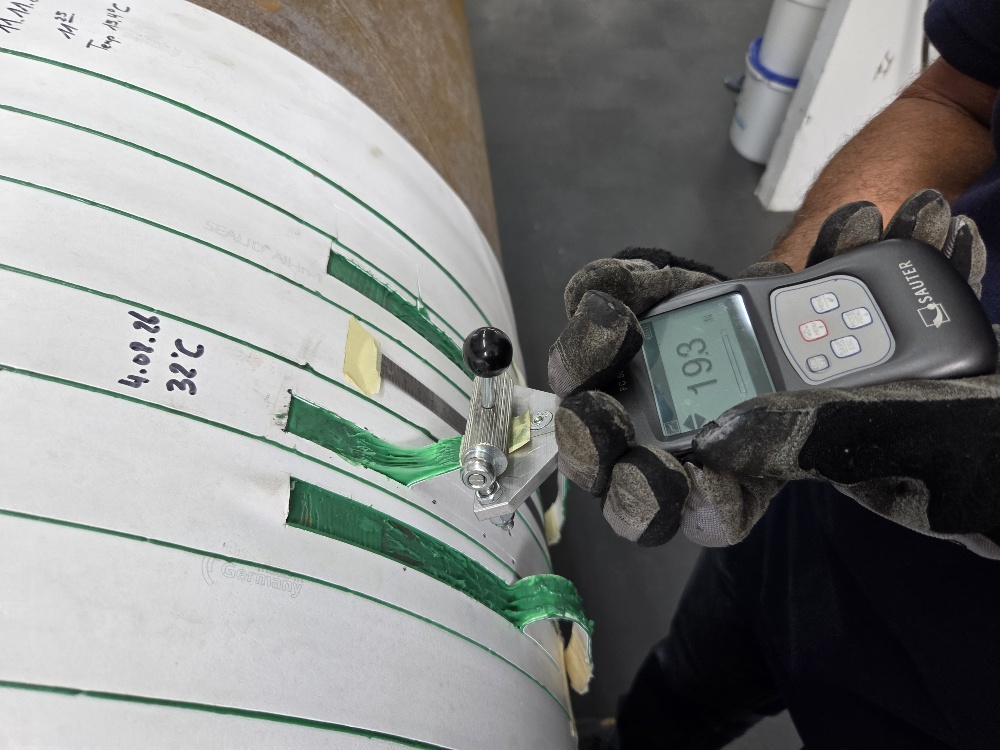
- Field surface preparation. Field joints and repairs are the most vulnerable parts of a coating system, and surface preparation is the most underrated step. Handing a crew a roll of tape or a bucket of coating and telling them to “clean it and wrap it” isn’t enough. Poor prep leads to poor adhesion, and every weak field joint becomes extra current demand for the CP system.
- Coating QA/QC. Holiday detection, coating thickness checks and proper curing are critical on every job. If those records don’t make it to the CP team, the CP designer doesn’t know what condition the coating is actually in.
- Materials left on the pipe. Plastic wraps, packaging and other non-conductive materials left on the pipeline can shield the steel from CP current. We’re working on a project right now where that exact problem is keeping properly installed anodes from protecting a new line.
- No baseline. If nobody records native potentials and confirms continuity and isolation at commissioning, there’s nothing to compare future readings against.
What a Good Handoff Looks Like
- Design the coating and CP together. Choose the coating with the CP system in mind, and the CP system with the coating in mind. Consider soil and environmental conditions, operating temperature, mechanical stress, AC interference risk, and the coating’s compatibility with cathodic protection.
- Document coating QA/QC, in the shop and in the field. Ask for shop coating reports on coated pipe. On site, record surface prep, holiday detection, thickness and cure for every field joint and repair, and share those records with the CP team.
- Train the people applying field coatings. Field joint and repair products only perform as well as they’re applied. Crews should be trained on the specific system they’re using, from surface prep to wrapping technique. [Link: PLASTELEN training blog]
- Inspect before backfill. Walk the line before it’s covered. Repair any holidays, and remove packaging and other materials that could shield the pipe from CP current.
- Commission the CP system properly. Record native potentials, verify continuity and isolation, energize the system, and confirm it meets protection criteria along the whole line. Commissioning is the best chance to catch problems while they’re still easy to fix.
After the Handoff: Keep Both Systems in the Conversation
The handoff isn’t the end of the relationship. Over the life of the pipeline, CP data from test stations, coupons, reference electrodes and rectifiers is one of the best indicators of coating health. Remote monitoring now makes that data easier to collect than ever.
When it’s time to evaluate an aging system, look at both sides. Earlier this year, we worked with a client on a combined coating and CP survey. By assessing the whole system, we could compare where a coating repair would have the most impact and where a CP adjustment would do more, and focus the budget on the low-hanging fruit first.
Key Takeaways
- The coatings-to-CP handoff is one of the most common weak points on a pipeline project.
- Generic CP design assumptions, poor field surface prep and missing QA/QC records all make the gap worse.
- Plan coatings and CP together, document the coating work, inspect before backfill and commission thoroughly.
- After construction, use CP data and combined surveys to manage both systems together.
Frequently Asked Questions
When should cathodic protection be designed on a pipeline project? At the same time as the coating is selected. CP design depends on coating type and quality, and coating selection should consider CP compatibility.
Who is responsible for coating defects found during CP commissioning? It depends on the contract, which is exactly why the handoff should be planned. Defining coating repair responsibility before backfill avoids disputes and costly digs later.
What is the most common field coating problem? Inadequate surface preparation, especially on field joints and repairs.
Can construction materials interfere with cathodic protection? Yes. Plastic wrap, packaging and other non-conductive materials left on a pipe can shield the steel from CP current.

One Team on Both Sides of the Handoff
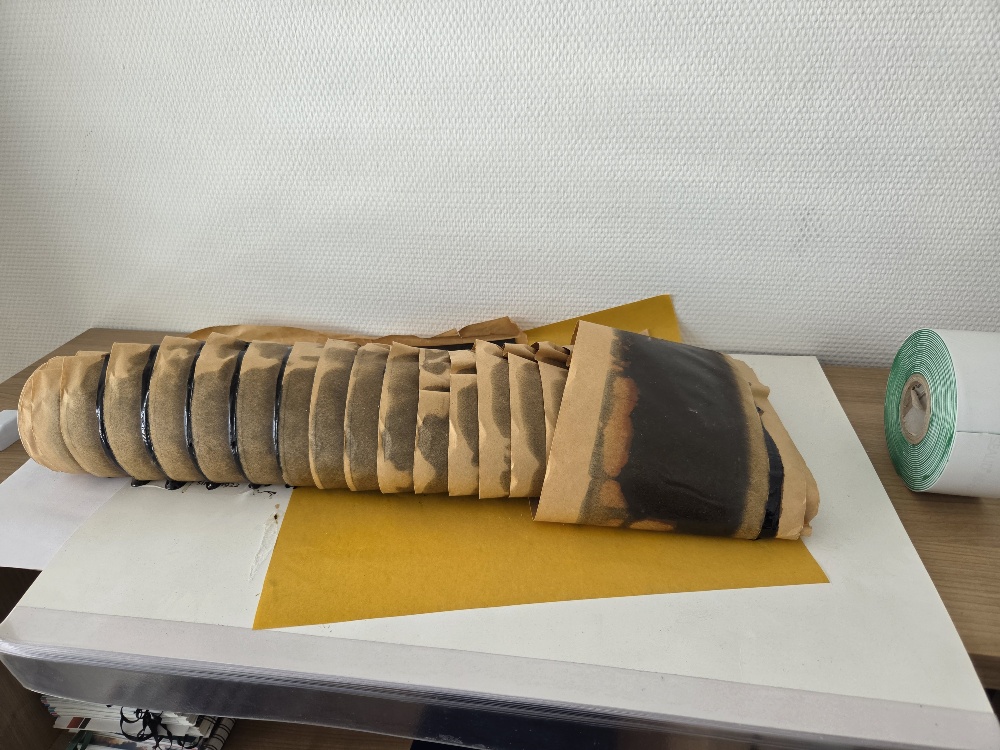
Cathtect designs, supplies, installs and commissions cathodic protection systems, and we now supply tape wrap and field coating repair products as well, including DEKOTEC’s PLASTELEN® petrolatum tapes, BUTYLEN® tape systems and heat-shrink sleeves. That means the team on your project understands both sides of the handoff and can help close the gap between them.
In Part 1, we study the relationship between coatings and cathodic protection. [Link: Part 1]
This post is based on the Coatings Talk live stream “Protective Coatings and Cathodic Protection: A Critical Partnership” with host Jim Kunkle and Cathtect CEO Aaron Raath. Watch the full live stream →
At Cathtect USA, we specialize in helping you choose the right device, with the right specifications, for the right application.
📞 Contact us at (772) 646-2873 or visit cathtectusa.com/contact-us to learn more today.