

Aaron Raath Joins Coatings Talk Livestream: The State of Cathodic Protection in 2026
Cathodic protection has quietly kept critical infrastructure standing for decades — but the field is changing fast. Cathtect USA President & CEO Aaron Raath sat down with Jim Kunkle on the Coatings Talk Livestream to talk through what’s shifting in the CP industry right now, and why it matters for the people responsible for keeping pipelines, tanks, and marine structures protected.
Watch the full conversation: youtube.com/live/w1mrr7daPaw

Aaron Raath
CEO of Cathtect USA
Aging Infrastructure, and the Planning Gap Behind It
A lot of the infrastructure in the ground today was never designed to last as long as it’s now being asked to. Aaron’s take: too many projects front-load capital investment without ever asking what comes next. As he put it, there’s “a lack of communication on future planning” once a project wraps — who owns ongoing maintenance, what the design life actually is, and who picks up the responsibility as personnel and ownership change over time. Aaron’s approach at Cathtect is to stay ahead of that gap: tracking the projects the company has touched, and helping asset owners understand the corrosion risk they’re carrying if maintenance planning falls through the cracks.
Regulatory Pressure Is Real — and It’s Global
Aaron pointed to Florida’s condo collapse as an example of how quickly regulation can shift in response to a single event, reshaping how concrete corrosion is addressed statewide. He’s seeing the same pattern nationally with pipeline monitoring requirements, and — while frameworks vary country to country — a broader trend internationally: awareness and education around corrosion mitigation are rising even in regions without formal regulatory mandates.
The Economics Are a No-Brainer
One of the most practical points in the conversation: corrosion costs over a trillion dollars annually worldwide, yet the cost of proper coatings and cathodic protection typically runs less than 1% of an asset’s replacement value. For asset owners weighing whether corrosion mitigation is worth the investment, that math is hard to argue with.
A Workforce in Transition
Experienced CP technicians — the people who built the industry — are retiring, while a younger generation comes in fluent in digital tools but still building the field troubleshooting instincts that only come with time. Aaron sees himself, and Cathtect, sitting right at that intersection: rooted in decades of hands-on field experience while pushing the industry toward smarter, more data-driven tools. His view on AI is clear — it’s not coming for anyone’s job. It’s the tool that turns cathodic protection from what he called “black magic” into a discipline backed by visible, measurable data.
Where the Technology Is Headed
The conversation covered a lot of ground on what’s next for CP technology:
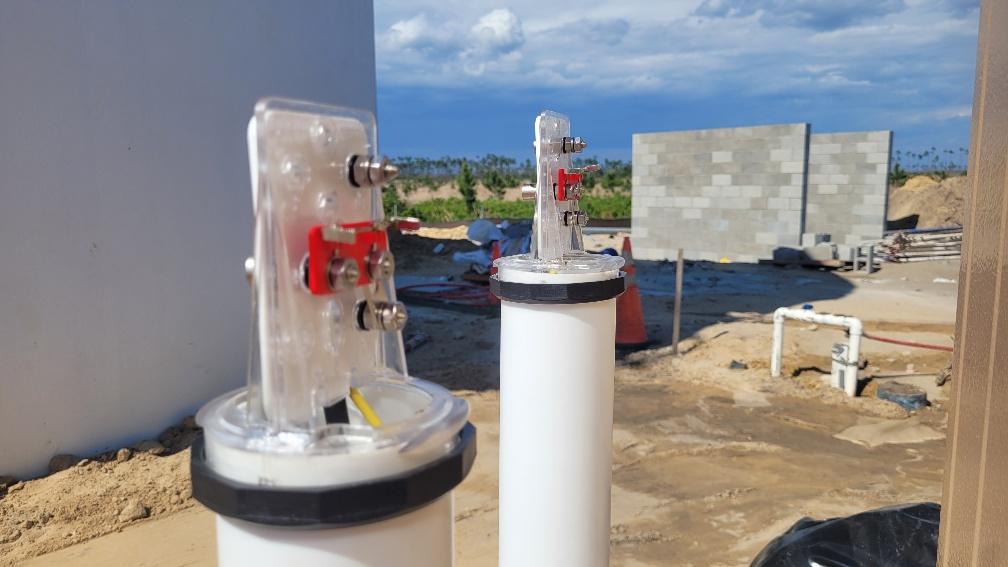
- Smart, digital rectifiers that self-adjust output based on real-time sensor data instead of relying on manual tap changes
- Remote monitoring shifting from a nice-to-have to the industry standard
- Nano-sensors embedded in coatings, feeding data back alongside CP system readings
- AI-driven predictive analytics that flag issues before a truck ever needs to roll
- Hybrid CP systems — like linear anode systems replacing traditional deep-well ground beds
- GIS and asset management integration, giving operators a unified view of infrastructure health and regulatory compliance in one place
Emerging Risks Worth Watching
Three risks came up repeatedly: AC interference (driven by reconductoring, data center growth, and increasingly congested utility corridors), stray current (compounded, ironically, by better coatings that insulate pipe and turn it into a more efficient conductor), and shielding or hidden corrosion — especially on pipelines with mixed old and new coating sections, where a one-size-fits-all CP approach can backfire.
Building a More Connected Industry
Aaron and Jim both highlighted the Corrosion Technicians Association (CTA) — Cathtect is a founding member and sponsor — as a driving force behind bringing the coatings and cathodic protection communities together around shared training, standards, and field knowledge. As Aaron framed it, coatings and cathodic protection are “two sides of the same coin,” and the industry’s future depends on both communities working in closer collaboration.
Why This Matters for Cathtect Clients
This conversation reflects exactly how Cathtect approaches every project: pairing decades of field-tested experience with the technology and data that make CP performance provable, not assumed. Whether you’re managing a pipeline network, a marine facility, or government infrastructure, the same principles apply — proactive maintenance planning, smarter monitoring, and staying ahead of regulatory change.
At Cathtect USA, we specialize in helping you choose the right device, with the right specifications, for the right application.
📞 Contact us at (772) 646-2873 or visit cathtectusa.com/contact-us to learn more today.